A Practical Guide to Choosing Organic Mattresses: Comfort, Sustainability, and Sleep Quality
In a world where the bed is both haven and workshop for our daily lives, selecting an organic mattress becomes a thoughtful act of stewardship—for our health, for the planet, and for the quiet hours of rest that shape our days. This guide unfolds the materials, certifications, and practical checks that empower consumers to choose with confidence, informed by the latest understandings of sleep science, environmental ethics, and durable design.
Understanding organic mattress materials
Organic mattresses hinge on the purity and performance of their core materials, which direct breathability, comfort, and long-term durability. Among the most common organic components are natural latex, organic cotton, and wool. Each brings a distinct set of properties that influence how a mattress feels and behaves over a lifetime.
Natural latex, derived from the sap of rubber trees, is prized for a responsive, buoyant feel and excellent pressure relief. It tends to regulate temperature well when produced with proper ventilation and standardized processing. Organic cotton provides a soft, breathable cover and contributes to a cool, airy sleep envelope. Wool adds a natural temperature-regulating layer that wicks moisture and can help manage humidity within the mattress structure. When these materials are grown, harvested, and processed without synthetic additives or petroleum-based inputs, they reinforce a sleep environment that aligns with a broader commitment to sustainability.
These materials do not exist in isolation. They are bound together by interior constructions such as latex cores or wrapped coil systems, and by fabrics that encase the entire assemblage. A well-made organic mattress balances comfort with ecological responsibility—maximizing durability while minimizing harmful emissions and environmental impact. In practice, this balance translates into a product that supports restorative sleep without compromising the health of the sleeper or the planet.
Certifications: what they guarantee and what to watch for
Certifications serve as milestones along the path to trustworthy sleep products. They offer a lens through which to judge a mattress’s claims against reality. Not all labels are equally rigorous, and some standards address different facets of a product’s life—from the origin of raw materials to finished product processing and third-party testing. Here are the most widely recognized commitments to look for, along with practical notes on what they mean for your sleeping environment.
- GOTS (Global Organic Textile Standard): This certification covers organic status and environmental and social criteria for textiles, including the organic status of the cotton used in the mattress cover. It also sets standards for processing and finishing to minimize hazardous chemicals. For sleepers, GOTS helps ensure the fabric surrounding the mattress is produced with attention to ecological and human health considerations.
- GOLS (Global Organic Latex Standard): This seal verifies that the latex used in the mattress core is certified organic and produced according to strict manufacturing practices. GOLS aims to ensure that latex has not been treated with harmful substances and that the overall production process meets environmental and social criteria. If you value natural latex, GOLS provides a credible assurance for both material authenticity and process integrity.
- OEKO-TEX Standard 100: A widely used certification that tests textiles for harmful substances and overall safety for human health. While not exclusively organic, OEKO-TEX 100 certification on the mattress cover or fabric components helps reduce exposure to residual chemicals in the sleep environment.
- CertiPUR-US (often associated with foams): While not inherently organic, this certification ensures that polyurethane foams used in a mattress are tested for harmful chemicals and meet certain emissions standards. If a mattress uses foam layers, CertiPUR-US status can be part of a broader sustainable profile, alongside organic materials in other layers.
When shopping, look for certifications that address both material content and manufacturing practices in a verifiable, transparent manner. A single label rarely tells the full story; a combination of certifications across textiles and foams, partnered with supplier disclosures and third-party audits, offers a more complete picture of a mattress’s environmental and health footprint.
A buyer’s checklist: measuring fit with bed frames, toppers, and pillow support
Choosing an organic mattress is not just about the core; it’s about how the bed system harmonizes with your frame, toppers, and pillows. A careful evaluation across these elements helps ensure the mattress delivers the intended comfort and longevity.
- Mattress size and support system: Verify that the mattress dimensions align with your bed frame’s dimensions and that the support system (slats, foundation, or a solid base) is rated for the weight and profile of the mattress. An ill-matched foundation can compromise durability and sleeping posture.
- Core composition and density: For latex cores, consider the firmness range and the response feel. For wrapped coil or hybrid constructions, assess contouring versus support. Pay attention to the intended sleeper’s weight and preferred sleep position, as these influence perceived firmness and pressure relief.
- Temperature regulation: In organic setups, natural materials tend to breathe better. Look for breathable covers and ventilation channels in the core. Wool layers can further modulate moisture and heat, contributing to a cooler night for many sleepers.
- Allergen considerations: Organic materials often come with lower chemical exposure risk, but consider dust-m mite protections and barrier fabrics if sensitivities exist. Encasements for the mattress or pillow protections can be a valuable addition to a holistic sleep environment.
- Maintenance and care: Organic mattresses generally require standard care such as rotating or flipping, depending on construction. Follow manufacturer guidance for cleaning and care to preserve materials and structural integrity.
Beyond the bed itself, consider how you configure your sleep sanctuary. A room that is conducive to rest—dim lighting, controlled humidity, and a quiet atmosphere—amplifies the effects of a well-chosen organic mattress. Your bedside setup, including pillows and toppers, should work with the mattress to maintain spinal alignment and comfort throughout the night.
Care tips to extend the life of an organic mattress
Durability is a core value of any quality mattress, but it becomes even more critical when materials are organic. Proper care helps maintain comfort, shape, and resilience over years of use. Here are practical practices to maximize the longevity of organic mattresses:
- Rotate regularly: Many organic mattresses benefit from periodic rotation to distribute wear evenly. Start with a 180-degree or 90-degree rotation schedule as recommended by the manufacturer, adjusting based on comfort and visible wear patterns.
- Protective covers: Use breathable, non-abrasive protectors that do not trap heat or moisture. A protective layer can shield the organic materials from accidental spills and daily wear without compromising breathability.
- Airing and sun exposure: Occasional airing in a shaded, ventilated space can help dissipate moisture and renew freshness. Avoid prolonged direct sun exposure, which can degrade some natural fibers over time.
- Avoid moisture buildup: While wool and cotton are moisture-managing, excessive humidity can encourage mold or mildew in poorly ventilated spaces. Maintain a comfortable room humidity and consider a breathable room setup so the mattress can vent naturally.
- Frame alignment: Ensure there is no sagging or uneven support from the bed frame. A stable foundation preserves the mattress’s contour and reduces failure points around edges and center sections.
By aligning care routines with the mattress’s material composition and construction, you extend not just the life of the product but also the quality of your sleep. The goal is a bed that supports restorative rest, not only for a season but for many years ahead.
A curated look at available organic mattress options
Within a curated collection, you may encounter a range of organic mattresses that reflect the industry’s evolving standards and diverse design philosophies. The following profiles highlight how different material choices and construction methods translate into sleep experiences. While the marketplace evolves, the underlying principles—purity of materials, proven certifications, and performance—remain constant.
Consider a scenario where you encounter a line of mattresses offering natural latex cores with organic cotton covers and optional wool padding. The latex core can provide buoyant, responsive support, while the organic cotton cover offers softness and breathability. Wool padding adds temperature regulation, which may benefit sleepers who experience night sweats or who live in warmer climates. If a mattress also carries GOLS certification for the latex and GOTS for the textiles, you gain additional assurance of the product’s ecological and social integrity.
Another approach centers on hybrid constructions that pair particle-free latex with a pocketed coil system. This configuration can balance contouring with robust support, appealing to sleepers who want targeted pressure relief without sacrificing spinal alignment. In such cases, examine the density and zoning of the coils, the thickness of latex layers, and the presence of any wool or cotton padding that could influence moisture management and overall feel.
In all cases, the consumer should prioritize transparent material disclosures, third-party testing results, and a clear warranty policy. A mattress is a long-term investment, and a well-informed choice supports both personal well-being and responsible production practices.
A note on design philosophy and the Millbrook ethos
While this article centers on organic materials and sleep health, it is useful to consider how design philosophy shapes consumer choices. At its best, an organic mattress embodies a holistic approach to comfort, durability, and environmental stewardship. The ethos echoes a broader narrative often found in thoughtful product lines: materials are chosen not only for their immediate tactile experience but for their lifecycle—how they are grown, harvested, processed, and eventually disposed of or repurposed. This long view aligns with a minimalist yet deeply humane aesthetic: a bed that supports serenity, a room that breathes, and a life lived with intention.
In this context, a brand that emphasizes local craft, transparent supply chains, and ethically sourced materials offers not just a product but a story—one that connects the physical act of lying down with a sense of place, responsibility, and care. The Millbrook ethos can be interpreted as a commitment to grounded, durable, and ethically produced sleep environments that honor both human health and ecological systems.
Product spotlight: a representative example that fits the organic mattress narrative
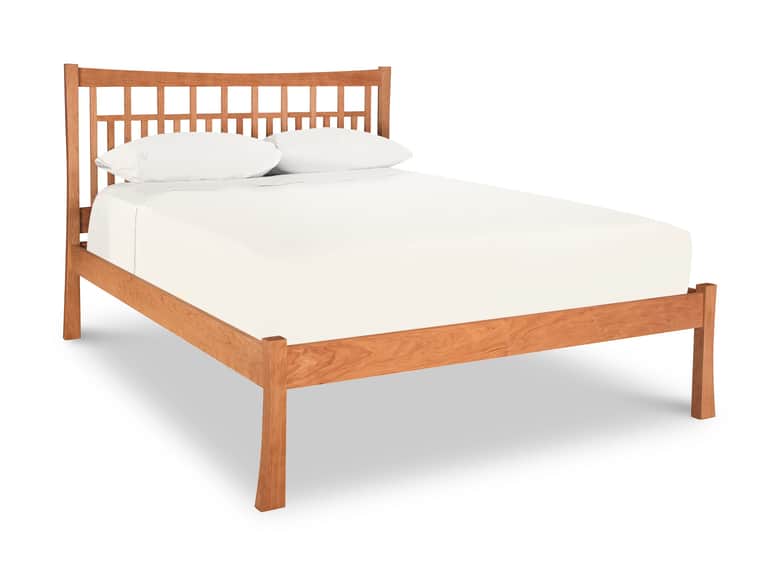
Within the curated options for a discerning shopper, one example that resonates with the organic mattress philosophy is a handcrafted bed frame designed to pair effectively with natural materials. The Burlington Shaker High Footboard Bed, crafted in Vermont from solid hardwood and finished with an eco-friendly oil, exemplifies how a well-made foundation can complement an organic sleep system. The emphasis on durable construction, timeless design, and environmentally considerate finishing aligns with a holistic approach to rest. Its solid-wood presence can anchor a sleep environment that complements breathable, natural mattresses, while the simplicity of the silhouette supports a room designed for quiet, restorative minutes.
Linking to a product such as the Burlington Shaker High Footboard Bed provides readers with a tangible example of how furniture and bedding integrate into a sustainable sleep experience. While the bed itself is not an organic mattress, its materials, craftsmanship, and finish reflect the same dedication to quality that underpins organic sleep products. In this way, readers see how a full bedroom ecosystem—frame, mattress, toppers, and textiles—can cohere around comfort, longevity, and environmental responsibility.
For readers who wish to explore further, this article invites you to consider how your choices extend beyond a single purchase toward a lifestyle of durable, responsibly made sleep environments. The goal is not merely a product, but a sustained practice of mindful consumerism that honors health, ecology, and daily well-being.
Conclusion: making informed, sustainable sleep choices
The landscape of organic mattresses is as diverse as the landscapes that inspire them. By understanding common materials, decoding certifications, and applying a practical shopping checklist, readers can navigate the marketplace with clarity. The aim is to balance personal comfort with environmental integrity, recognizing that sleep is a foundational activity that shapes health, mood, and productivity. In the language of exploration and science, choosing an organic mattress becomes a disciplined act of curiosity, measurement, and care—an investment in the quiet, restorative hours that define a life well lived.
As you embark on your journey to a better night’s sleep, remember that the best choice is the one that aligns with your sleep needs, your values, and the realities of your living space. Organic materials, credible certifications, and transparent practices together chart a path toward restful nights and a healthier world. May your bed be a harbor of rest, a surface of comfort, and a future you can trust.
Related reading and resources
For readers seeking deeper dives into the science of sleep, sustainable textiles, and responsible manufacturing, the following topics offer additional avenues of exploration:
- Sleep science foundations: circadian rhythms, sleep stages, and restorative mechanisms
- Material science of natural fibers: performance, durability, and care
- Industrial ecology and cradle-to-cradle design considerations
- Regional textile traditions and ethical sourcing practices
When you return to your own sleep space, bring with you the discipline of inquiry, the patience to evaluate, and the gratitude for the quiet hours that recharge the mind and body.
Product highlights available on this site
To illustrate how a thoughtfully curated shop can align with organic and sustainable sleep principles, we present a selection of products offered through this site. These items reflect a commitment to quality materials, craft, and responsible production. The following options are current and linked for convenience:
-
Burlington Shaker High Footboard Bed — Handcrafted in Vermont from solid wood (Cherry, Maple, or Walnut) with an eco-friendly oil finish.
Learn more.
Note: Availability and product details are subject to change. The links above point to product pages that provide dimensions, materials, care guidelines, and purchasing options consistent with the overall theme of durable, responsibly made sleep furniture.